
Uncategorized
Facts About Cats: Facts Every Owner Should Know

18
Aug
Aug
Facts About Cats: The Truth Behind the Whiskers
Cats are among the most popular pets in the world, captivating humans with their elegance, independence, and playful spirit. Whether you’re a lifelong cat lover or considering adopting a feline friend, there’s always something new to learn. In this ultimate guide, we’ll explore fascinating facts about cats, uncover their remarkable abilities, and delve into some of the most frequently asked questions about our whiskered companions.
Fascinating Physical Facts About Cats
Cats possess a range of physical attributes that set them apart from other animals. Their bodies are built for agility and stealth, making them exceptional hunters and delightful household companions.
1. Cats Have Extraordinary Night Vision
One of the most impressive traits of a cat is its ability to see in low light. Thanks to a special layer of cells called the tapetum lucidum behind their retinas, cats can see up to six times better than humans in the dark. This adaptation allows them to hunt and navigate efficiently at night, which is when their wild ancestors were most active.
2. Whiskers Serve as Powerful Sensory Tools
A cat’s whiskers, or vibrissae, are more than just cute facial features. These sensitive hairs help cats detect even the slightest changes in their surroundings. Whiskers are deeply rooted and packed with nerve endings, enabling cats to sense air currents, measure gaps, and avoid obstacles—even in complete darkness.
3. Cats Can Jump and Climb Exceptionally Well
Cats are natural acrobats. Their muscular bodies and flexible spines allow them to leap up to six times their body length in a single bound. You’ll often see cats perched on high shelves or gracefully jumping from one surface to another—a testament to their incredible strength and coordination.
Intriguing Behavioral Facts About Cats
From quirky habits to complex social behaviors, cats communicate in ways that are both subtle and fascinating. Understanding these behaviors can help you build a stronger bond with your feline friend.
4. Purring Isn’t Just a Sign of Happiness
Most people associate purring with a contented cat, but this soothing sound can also indicate other emotions. Cats may purr when they’re frightened, in pain, or even healing. Research suggests that the frequency of a cat’s purr (between 25 and 150 Hertz) may promote tissue regeneration and reduce inflammation, helping them recover from injuries.
5. Cats Communicate With a Variety of Sounds and Signals
While dogs are known for their barks, cats have a diverse vocal range. They meow, chirp, trill, hiss, and growl—each sound conveying a different message. Interestingly, adult cats typically meow only to communicate with humans, not other cats. Body language also plays a vital role; a flicking tail, flattened ears, or slow blink can all tell you how your cat is feeling.
6. Kneading Is a Throwback to Kittenhood
Ever notice your cat rhythmically pushing its paws into a blanket or your lap? This behavior, known as kneading, originates from kittenhood, when young cats knead their mother’s belly to stimulate milk flow. Adult cats often knead when they feel safe and content, so take it as a sign of affection.

Unique Historical and Cultural Facts About Cats
Throughout history, cats have held a special place in human society. From ancient civilizations to modern households, these enigmatic animals have inspired myths, legends, and even scientific studies.
7. Cats Were Worshipped in Ancient Egypt
In ancient Egypt, cats were regarded as sacred and revered for their hunting skills and protective nature. Egyptians believed cats brought good fortune and were linked to the goddess Bastet, the deity of home, fertility, and protection. Harming a cat was considered a grave offense, and many families mummified their beloved felines for the afterlife.
8. Cats Have Been Domesticated for Thousands of Years
The domestication of cats likely began around 9,000 years ago in the Near East, where wild cats started living near human settlements to hunt rodents attracted by stored grains. Over time, humans and cats developed a mutually beneficial relationship, with cats providing pest control and humans offering food and shelter.
9. Owning a Cat Can Benefit Your Health
Scientific studies have shown that living with a cat can reduce stress, lower blood pressure, and even decrease the risk of heart attack and stroke. The simple act of petting a purring cat can trigger the release of calming chemicals in the brain, making cats excellent companions for emotional support.
Deep Dive Into the World of Cats
10. Why Do Cats Love Boxes?
If you’ve ever brought home a package, you know that cats are irresistibly drawn to boxes. This behavior stems from their instinctual need for safety and security. Boxes provide small, enclosed spaces where cats can hide, stalk, and observe their environment without being seen.
11. The Mystery of Catnip
Catnip, or Nepeta cataria, is famous for its ability to send some cats into a state of euphoria. The active compound, nepetalactone, binds to receptors in a cat’s nose, triggering playful, hyperactive, or relaxed behavior. Interestingly, not all cats are affected—sensitivity to catnip is hereditary and occurs in about 50-70% of felines.
12. The Importance of Play for Cats
Play is essential for a cat’s physical and mental health. Interactive toys, puzzle feeders, and regular play sessions help prevent obesity, reduce anxiety, and provide important stimulation. Even indoor cats need daily opportunities to chase, pounce, and explore.
13. Understanding Cat Body Language
Cats communicate extensively through body language. A raised tail often signals happiness, while an arched back and puffed fur indicate fear or aggression. Paying attention to your cat’s posture, ear position, and eye contact can help you interpret their moods and needs.
14. How Cats Groom Themselves—and Each Other
Cats spend up to 50% of their waking hours grooming. This self-care routine helps regulate body temperature, distribute natural oils, and strengthen social bonds when cats groom each other (allogrooming). Grooming can also be a sign of stress, so sudden changes in grooming habits should be monitored.
15. The Amazing Lifespan of Cats
With proper care, domestic cats can live into their late teens or even early twenties. Factors like diet, exercise, regular veterinary care, and a safe indoor environment all contribute to a cat’s longevity. The oldest recorded cat, Creme Puff, lived to an astonishing 38 years!

Cutest Breed Of Kittens
Are you searching for the cutest breed of kittens to welcome into your home? With their playful antics and precious faces, some kitten breeds stand out for their irresistible charm. In this guide, we’ll reveal what makes certain kittens so adorable, highlight the top breeds known for their cuteness, and offer tips for finding the perfect feline friend for your lifestyle.
What Defines the cutest breed of kittens?
Discover the features that set the cutest kittens apart—like soft fur, expressive eyes, and affectionate personalities. Learn which traits make certain breeds favorites among cat lovers.
Top 10 cutest breed of kittens
Explore a list of our cutest breed of kittens available, such as the Maine Coon,Ragdoll,Persian,Bengal,British Shorthair,Russian Blue,Siamese,munchkin,Siberian and Sphynx. Find out what makes each breed unique and why they capture hearts everywhere.
How to Choose the Perfect Kitten for You
Get practical advice on selecting the best kitten breed based on temperament, care requirements, and compatibility with your household. Make an informed decision and enjoy the joys of kitten companionship!
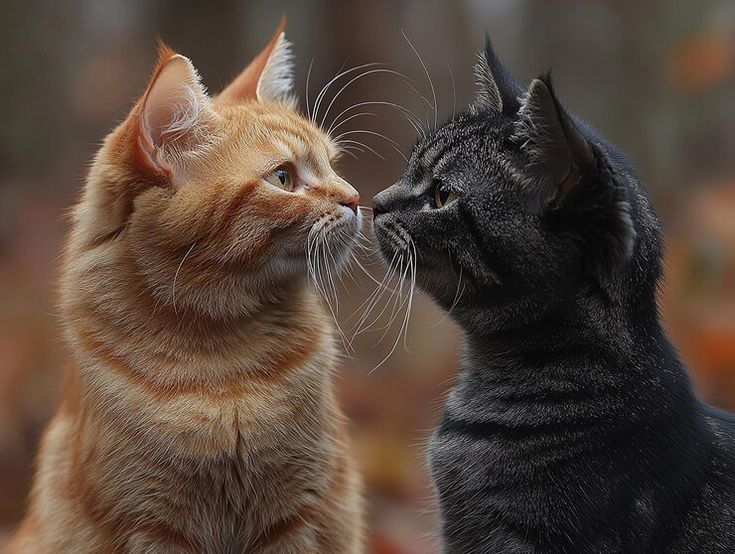
How to Introduce Cats to Each Other
Bringing a new cat into your home can be exciting, but introducing cats to each other requires patience and planning. Follow these steps to ensure a smooth transition and harmonious feline friendships.
Why Proper Introductions Matter
Cats are territorial by nature. Introducing them too quickly can lead to:
- Stress
- Aggression
- Long-term behavioral issues
A gradual introduction increases the chances of a peaceful coexistence.
Step 1: Prepare Separate Spaces
Set up a safe room for your new cat with:
- Food and water
- Litter box
- Bedding
- Toys
Keep both cats separated initially to allow them to adjust to each other’s scent.
Step 2: Scent Swapping
Exchange bedding, toys, or blankets between the cats. This helps them become familiar with each other’s scent in a non-threatening way.
Step 3: Controlled Visual Introduction
After a few days, allow the cats to see each other through:
- A cracked door
- A baby gate
- A pet carrier
Monitor their reactions. Signs of curiosity or indifference are positive; hissing or growling means they need more time.
Step 4: Supervised Meetings
When both cats seem comfortable, arrange short, supervised meetings in a neutral space. Use treats and toys to create positive associations.
Step 5: Gradually Increase Interaction Time
Slowly lengthen the duration of their interactions. Always supervise until you’re confident there’s no aggression.
Step 6: Watch for Positive Signs
Look for:
- Playful behavior
- Grooming each other
- Eating together
These are indicators that your cats are accepting each other.
Tips for Success
- Be patient: Every cat is different; some may take weeks to adjust.
- Never punish: Negative reactions are natural. Punishment can increase anxiety.
- Provide resources: Multiple litter boxes, feeding stations, and resting areas can reduce competition.
When to Seek Help
If aggression persists, consult with a veterinarian or a cat behaviorist for additional guidance.
adopt cat,
baby cat,
cats for sale,
kittens for sale,
vets with kittens,
kittens for adoption,
cutest breed of kittens,
cats for adoption near me.
baby cat,
cats for sale,
kittens for sale,
vets with kittens,
kittens for adoption,
cutest breed of kittens,
cats for adoption near me.
