
Uncategorized
how long are cats pregnant? How Many Kittens Can a Cat Have? Signs Your Cat Is Giving Birth
20
Aug
Aug
How Long Are Cats Pregnant: Understanding The Cat Gestation Period
If you’re a cat parent or breeder, understanding your feline’s pregnancy journey can help you provide the best care possible. This guide covers how long cats are pregnant, how many kittens you can expect, and the signs that your cat is about to give birth. We’ll dive deep into each stage and answer common questions so you can support your cat through this special time.
Feline Pregnancy: An Overview
Cat pregnancy, or the gestation period, is the time between conception and birth. It typically lasts a little over two months. During this period, your cat will need extra care, nutrition, and attention to ensure a healthy pregnancy and safe delivery. Cats are called queens when they’re pregnant, and their bodies go through many changes, both physical and behavioral.
How Long Are Cats Pregnant?
On average, a cat’s pregnancy lasts 63–65 days (about 9 weeks), but it can range from 58 to 70 days. The exact duration depends on various factors, including breed, age, and health status.
- Early deliveries (before 60 days) are considered premature and can be risky for the kittens.
- Late deliveries (after 67 days) are rare and may require veterinary attention.
Why does this matter?
Knowing the typical gestation period helps you plan for the birth, monitor your cat’s health, and prepare a safe environment for delivery.
Cat Pregnancy Stages
A cat’s pregnancy can be broken down into several distinct stages:
Week 1–2: Fertilization and Implantation
After mating, the cat’s eggs are fertilized, and the embryos implant themselves in the uterus. There are usually no visible signs during this stage.
Week 3–4: Embryo Development
- Physical changes: The cat’s nipples may become larger and pinker (a process called “pinking up”).
- Behavioral changes: She may become more affectionate or, in some cases, more withdrawn.
- Appetite: Appetite may increase as the embryos develop and the queen’s energy needs rise.
Week 5–6: Noticeable Weight Gain and Increased Appetite
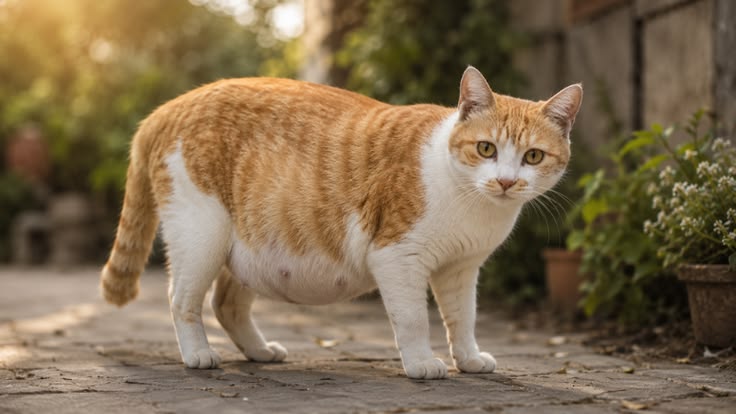
- Belly expansion: The cat’s abdomen visibly enlarges as kittens grow.
- Appetite surge: She may eat more to support the developing kittens.
- Kitten movement: In some cases, you can feel the kittens moving if you gently place your hand on her belly.
Week 7–9: Nesting Behaviors and Visible Kitten Movement
- Nesting: The queen starts searching for a quiet, comfortable place to give birth.
- Restlessness: She may seem anxious or pace more often.
- Grooming: Increased grooming, especially around her belly and hindquarters.
How Many Kittens Can a Cat Have?
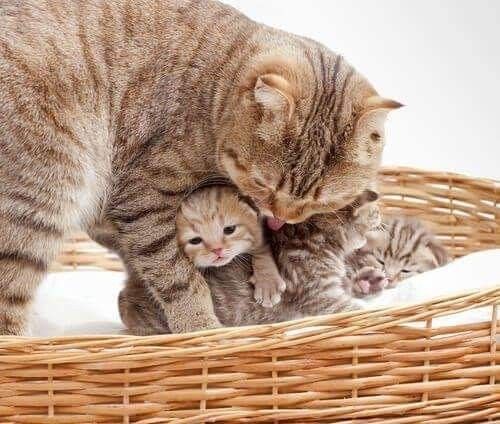
The average litter size for a cat is 3 to 5 kittens. However, litter sizes can vary widely based on several factors:
- Smaller litters (1–2 kittens) are common in a cat’s first pregnancy.
- Larger litters (up to 8 or more kittens) are possible, especially in certain breeds or older, experienced mothers.
Fun fact: The largest recorded cat litter is 19 kittens, though this is extremely rare!
Factors Affecting Litter Size
Several elements influence how many kittens your cat might have:
Breed
- Siamese and some other Oriental breeds often have larger litters.
- Persians and other long-haired breeds may have smaller litters on average.
Age
- Young cats (first-time mothers) usually have fewer kittens, sometimes only one or two.
- Adult cats (between 2–5 years) generally have the largest litters.
- Older cats (past their prime breeding years) may have smaller litters again.
Health
- Well-nourished, healthy cats tend to have more kittens.
- Malnourished or sick cats may have smaller or less viable litters.
Number of Previous Litters
- First litters are often the smallest.
- Subsequent litters may be larger as the queen’s body becomes more efficient at pregnancy.
Early Signs of Cat Pregnancy
Cats are masters at hiding illness and sometimes pregnancy! However, some early signs to watch for include:
Nipple Enlargement and Pinking
Nipples become more noticeable, pink, and slightly swollen, usually around the third week of pregnancy.
Increased Appetite
Pregnant cats often eat more as their bodies work to support the growth of the kittens.
Weight Gain
A gradual but steady increase in weight is typical, especially after the first few weeks.
Behavioral Changes
- Some cats become more affectionate, seeking extra cuddles and attention.
- Others might become more reclusive or quiet, preferring to spend time alone.
Mid-Pregnancy Cat Care Tips
Supporting your pregnant cat is crucial for a healthy litter. Here’s how you can help:
Balanced Diet
- Switch to a high-quality kitten food – it’s richer in calories, protein, and nutrients.
- Ensure fresh water is always available.
Veterinary Visits
- Schedule a check-up early in the pregnancy to confirm the pregnancy and check for any health issues.
- Ask your vet about vaccines, deworming, and other health checks.
Minimize Stress
- Keep your cat’s environment calm and quiet.
- Limit handling if she seems uncomfortable.
- Provide a private, cozy area where she can relax and eventually give birth.
How to Tell If Your Cat Is About to Give Birth
As labor approaches, your cat will exhibit several clear signs:
Nesting
- She’ll seek out quiet, secluded spots — behind furniture, in closets, or in boxes — to make a “nest.”
- You can help by providing a comfortable box lined with soft towels or blankets.
Restlessness
Increased pacing, circling, or shifting positions frequently.
Loss of Appetite
Many cats stop eating about 24–48 hours before labor begins.
Temperature Drop
- A cat’s normal rectal temperature is about 101–102°F (38.3–38.8°C).
- About 12–24 hours before labor, it may drop below 100°F (37.8°C).
Licking and Grooming
The queen may lick her genitals more frequently, cleaning herself in preparation for birth.
Signs of Active Labor in Cats
Labor is divided into three stages, and each has its own symptoms:
Stage 1: Preparation
- Contractions: Gentle uterine contractions begin, but may not be visible yet.
- Restlessness: The queen may pant, pace, or vocalize.
- Vocalization: Meowing, yowling, or heavy breathing.
Stage 2: Kitten Delivery
- Stronger contractions: You may see her abdomen tightening.
- Discharge: A clear or slightly bloody fluid may leak from her vulva.
- Birth of kittens: Kittens are born, typically one every 15–30 minutes, though longer intervals (up to an hour) can be normal.
Stage 3: Expulsion of Placentas
After each kitten, the placenta is expelled. It’s important to count placentas to ensure none are retained (which could lead to infection).
How to Help Your Cat During Birth
Provide a Clean Nesting Area
Prepare a box with high sides, lined with towels or blankets that can be easily replaced if soiled.
Limit Disturbances
Keep people and other pets away during labor to minimize stress.
Keep Supplies Handy
- Clean towels: For drying kittens if the mother is exhausted.
- Disposable gloves: In case you need to assist.
- Veterinarian’s phone number: For emergencies.
Monitor, Don’t Intervene
- Most queens give birth without help.
- Only step in if a kitten is stuck or if the mother is in distress.
When to Call the Vet
Certain situations require immediate veterinary attention:
- More than 2 hours of active straining without producing a kitten.
- More than 1 hour has passed between kittens and you know more are expected.
- Excessive bleeding or foul-smelling discharge.
- The queen appears to be in severe pain, distress, or exhaustion.
Post-Birth Cat Care
Once the kittens are born, ongoing care for the mother and her litter is vital.
Let the Mother Clean the Kittens
- The mother will lick each kitten to clean it and stimulate breathing.
- If she doesn’t, gently wipe the kitten’s nose and mouth with a soft towel.
Check for Retained Placentas
- Make sure the number of placentas matches the number of kittens delivered.
- Retained placentas can cause infections and require a vet’s assistance.
Monitor Nursing and Bonding
Kittens should start nursing within an hour or two of birth.
If any kitten isn’t nursing, consult your vet.
Schedule a Postnatal Vet Check
A check-up ensures both mom and kittens are healthy and that the mother is recovering well.
Frequently Asked Questions For How Long Are Cats Pregnant
How many times can a cat get pregnant in a year?
Cats are seasonally polyestrous, meaning they can go into heat and conceive multiple times per year. If not spayed, a cat can have 3–4 litters annually.
Should I spay my cat after birth?
Yes, spaying your cat prevents unwanted pregnancies and reduces the risk of certain cancers and infections. Discuss timing with your vet — usually, cats can be spayed after the kittens are weaned.
How soon can kittens leave their mother?
Kittens should stay with their mother until at least 8 weeks old. This allows for proper nutrition, socialization, and development.
Tips for a Smooth Cat Pregnancy and Birth
- Track your cat’s heat cycles if you plan to breed responsibly.
- Keep a calendar of mating dates to estimate the due date.
- Prepare an emergency vet plan in advance, just in case.
How Long Are Cats Pregnant – Conclusion
Caring for a pregnant cat and her kittens is a rewarding experience. Understanding the gestation period, litter sizes, and labor signs helps you provide the best support. Always consult a veterinarian for guidance and never hesitate to seek help if you’re unsure at any stage.
With the right care and preparation, you can ensure a safe, healthy, and happy experience for both your queen and her new kittens.
adopt cat,
baby cat,
cats for sale,
kittens for sale,
vets with kittens,
kittens for adoption,
cutest breed of kittens,
how long are cats pregnant,
cats for adoption near me.
baby cat,
cats for sale,
kittens for sale,
vets with kittens,
kittens for adoption,
cutest breed of kittens,
how long are cats pregnant,
cats for adoption near me.
